
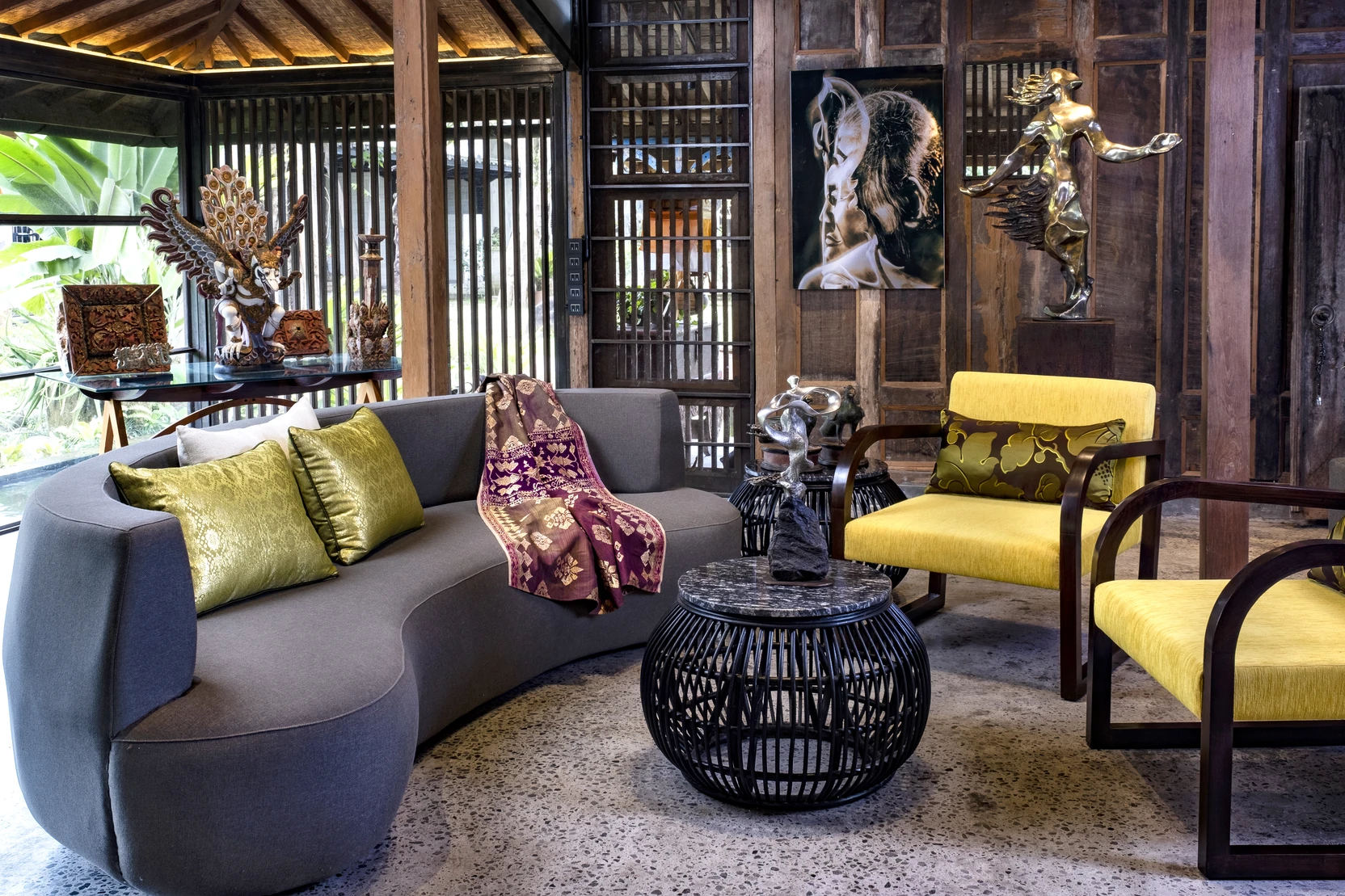
Beautiful furniture can transform a space. But in Bali, choosing the right furniture is about more than finding the perfect colour, shape, or style. It’s also about choosing materials that can handle the tropical climate and still look good years from now.
Think about it: a stunning dining table that starts cracking after a few months, a cabinet that swells because of humidity, or an outdoor sofa that develops mould after the rainy season. These problems can turn an exciting design investment into an expensive replacement project.
That’s why custom furniture is worth considering. You can choose the dimensions, materials, finishes, and construction details to suit your property and how you actually use it.
At Kamala Home by Design Solutions, based in Ubud, Bali, we believe good design should balance beauty, functionality, and durability. Here’s how to choose materials that make sense for your home, villa, or hospitality property.
1. Teak Wood: A Classic Choice for Bali
If there’s one material that deserves attention when choosing furniture in Bali, it’s teak.
Teak is a tropical hardwood known for its natural oils, strength, and resistance to decay. These qualities make it particularly suitable for furniture in humid environments, including outdoor settings when the timber is properly selected and constructed.
It’s a popular choice for dining tables, bed frames, benches, cabinets, and outdoor loungers.
But not all teak furniture is the same. Timber quality, drying methods, joinery, and finishing all affect how long a piece will last.
Properly seasoned teak is essential. Wood that hasn’t dried sufficiently can shrink, warp, or crack as it adjusts to its environment. For outdoor furniture, quality teak heartwood is generally a better choice than pale sapwood because it offers greater natural resistance to decay.
Teak also ages beautifully. If left untreated outdoors, it gradually develops a silver-grey appearance. If you prefer its warmer golden-brown colour, suitable maintenance can help preserve that look.
For a villa with a tropical design, teak offers a practical combination of natural character and long-term performance.
2. Suar Wood: Beautiful Grain, Bold Character
Want a dining table that becomes the centrepiece of your home? Suar wood might be worth considering.
Also known as rain tree wood, suar is popular for its distinctive grain patterns, warm tones, and large slabs that can be used to create dramatic dining tables.
Unlike teak, however, suar isn’t usually the first choice for furniture exposed directly to rain and harsh weather.
Suar can move as its moisture content changes. If the timber isn’t dried properly, it may develop cracks, bowing, or other dimensional changes.
That doesn’t mean you should avoid it. It simply means that proper preparation matters.
For indoor dining tables, desks, and statement furniture, well-seasoned suar can be an excellent option. A suitable finish and sensible placement will also help protect the surface.
If you love natural textures and want something with a little more visual drama, suar can bring plenty of personality to your interior.
3. Solid Wood vs Engineered Wood: Which Is Better?
Solid wood isn’t automatically the best choice for every piece of furniture. The right material depends on the design, application, and environment.
At Kamala Home, we also work with engineered wood, particularly multiplex plywood, a strong, dimensionally stable specialty plywood that offers excellent resistance to warping when properly manufactured and installed.
We use multiplex plywood with a teakwood veneer finish, combining the structural advantages of engineered wood with the natural warmth and elegance of teak.
This makes it particularly suitable for:
- Flat-front minimalist kitchen cabinets: Creating clean, seamless lines and contemporary aesthetics.
- Wall paneling: Achieving consistent surfaces and a refined architectural finish.
- Contemporary furniture: Offering design flexibility, strength, and a sophisticated teakwood appearance.
Here’s a simple guide to some of the materials we work with:
- Solid teak: A premium choice for fine furniture and many outdoor applications.
- Suar wood: Ideal for distinctive indoor furniture and statement dining tables.
- Multiplex plywood with teak veneer: Excellent for minimalist cabinetry, wall paneling, and contemporary furniture.
- Moisture-resistant boards: Suitable for selected indoor applications when properly specified and protected.
One important thing to remember: moisture-resistant doesn’t mean waterproof. Even quality engineered wood can deteriorate if water penetrates exposed edges or damaged surfaces. Proper sealing, finishing, and installation are essential.
Ultimately, choosing the right material isn’t about deciding which one is universally better. It’s about understanding what each material does best.
For your Home Renovation Bali project, thoughtful material selection means getting the right balance of durability, functionality, aesthetics, and long-term value.
4. Rattan and Bamboo: Natural Beauty With a Few Considerations
Want to create a relaxed, tropical atmosphere? Rattan and bamboo are popular choices for furniture that feels light, natural, and connected to Bali’s surroundings.
However, it’s important to understand where each material works best.
Natural rattan is ideal for indoor chairs, headboards, decorative screens, and furniture in covered, relatively dry areas. Its woven texture adds warmth and visual interest, but prolonged exposure to rain and direct sunlight can cause deterioration.
Synthetic rattan, usually made from polyethylene, is designed to handle outdoor conditions better. When made with UV-stabilised material and a suitable frame, it can be a practical choice for poolside seating, terraces, and outdoor lounges.
Bamboo offers another distinctive look, particularly for casual furniture and decorative details. Its durability depends on the species, treatment, construction, and finish, so don’t assume every bamboo product is suitable for outdoor use.
The takeaway? You don’t have to sacrifice a tropical aesthetic for durability. You simply need to match the material to the environment.
5. Don’t Forget Metal, Stone, and Finishes
Wood isn’t the only material worth considering when designing custom furniture.
Metal frames can provide strength and a clean, contemporary appearance. For outdoor furniture in Bali, powder-coated aluminium is often a practical option because it is lightweight and resistant to corrosion. However, the quality of the coating, fasteners, and construction still matters, particularly near the coast.
Stone is another option for dining tables, coffee tables, and statement pieces. It offers a distinctive, substantial appearance, but different stones behave differently. Some are porous and can stain if they aren’t sealed and maintained correctly.
Then there’s the finish.
A well-designed piece can still deteriorate prematurely if the surface protection isn’t appropriate for its intended use. Furniture exposed to sunlight, moisture, or frequent cleaning needs finishes suited to those conditions.
When commissioning custom furniture, ask about the material specifications, protective treatments, and recommended maintenance. These details might not be immediately visible, but they can make a significant difference over time.
6. Upholstery Matters More Than You Think
Imagine investing in a beautiful custom sofa, only to discover that its fabric fades quickly or stays damp after a rainy day.
This is why upholstery deserves as much attention as the furniture frame.
For indoor furniture, linen blends, cotton blends, and performance fabrics can all work, depending on the room and expected use. Consider how easily the fabric can be cleaned, how it handles abrasion, and whether it will be exposed to direct sunlight.
For outdoor seating, look for fabrics specifically designed to withstand UV exposure and moisture. Solution-dyed acrylic is one option worth considering because its colour is incorporated into the fibre during manufacturing, helping it resist fading. However, outdoor fabrics are not automatically waterproof, and cushions still need proper drainage and drying. Famcor Fabrics
For existing furniture, Furniture Upholstery Bali services can provide an alternative to replacing an otherwise sound piece.
Custom Upholstery Bali also gives you more control over fabric, colour, and texture. For larger residential or hospitality projects, Upholstery Services for Villas in Bali can help coordinate sofas, cushions, curtains, and other soft furnishings.
Planning Upholstery and Soft Goods Bali alongside your furniture selection helps create a cohesive interior while ensuring each material suits its intended purpose.
7. Choose Materials That Make Sense for Your Property
The best material isn’t necessarily the most expensive one. It’s the one that delivers the right balance of appearance, durability, maintenance, and cost.
For example, a teak dining table might be a worthwhile investment for a villa terrace, while quality engineered wood may make more sense for indoor wardrobes. Synthetic rattan could suit an exposed outdoor lounge, while natural rattan may be better for a sheltered living area.
If you’re planning Villa Renovation Bali or Residential Renovation Bali, these decisions should be made early enough to coordinate furniture with the overall design.
For a Luxury Home Renovation Bali project, you might also explore Antique Curation in Bali or Art Curation for Interior Design Bali to introduce distinctive pieces that give your space character.
And if you’re furnishing a hotel or holiday rental, Hospitality Design Bali requires particular attention to durability, ease of maintenance, and frequent use.
The goal is to invest in materials that suit your lifestyle or business, not simply choose what looks good in a showroom.
Make Your Furniture Investment Count
Custom furniture gives you the freedom to create pieces that fit your space, reflect your personality, and work for the way you live.
But beautiful design should never come at the expense of practicality. By choosing appropriate materials, paying attention to construction quality, and planning for Bali’s tropical conditions, you can create interiors that look good and remain functional for years.
At Kamala Home by Design Solutions, based in Ubud, Bali, we believe every material should have a purpose. Whether you’re furnishing a private residence, updating a holiday villa, or developing a commercial property, thoughtful material selection is an important part of creating a successful space.
Planning a renovation or new interior? Visit kamalahome.com to explore our design and renovation services for residential and commercial properties in Bali.
You can also follow us on Instagram at @kamalahome.ds for more design inspiration and project updates.
Your furniture should do more than look beautiful. It should be made for the life you’ll live with it.